Breakfast can become an afterthought when the morning already belongs to work, children, parents, or the journey between them. Having a few familiar options can make the decision easier. You do not need a different recipe every day, and breakfast does not need to look like a social-media photograph.
Use a flexible starting point
Canada’s food guide includes vegetables and fruit, whole grain foods, and protein foods as the main parts of its plate. Those groups can also help you think about breakfast, whether you serve it in a bowl, on toast, or in a container for later. They are a reference, not a prescription for identical portions.
Appetite, culture, allergies, and health needs all matter. If you follow a particular eating plan for a medical condition, use the advice you have been given rather than treating these examples as a replacement.
Option one: a bowl with very little preparation
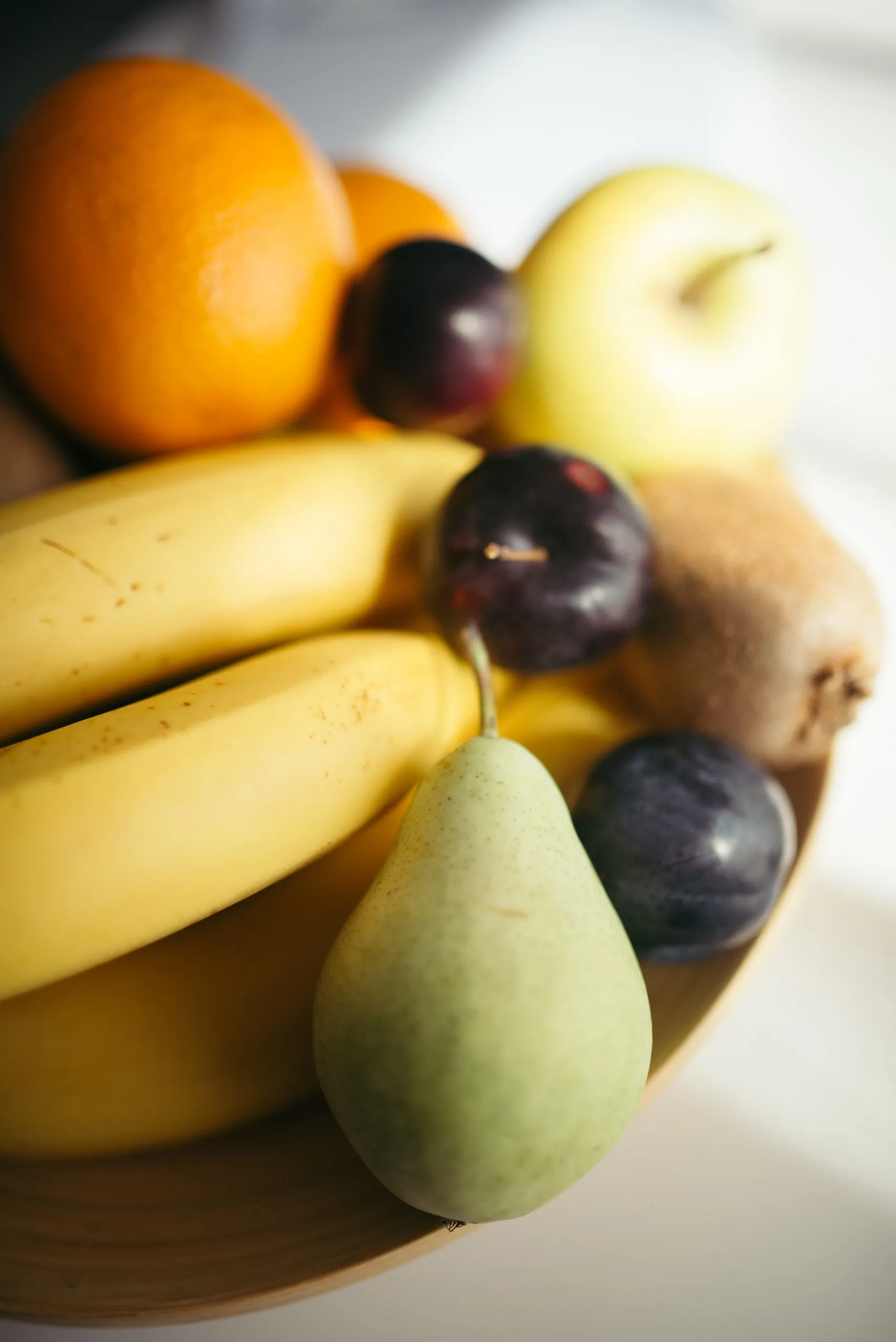
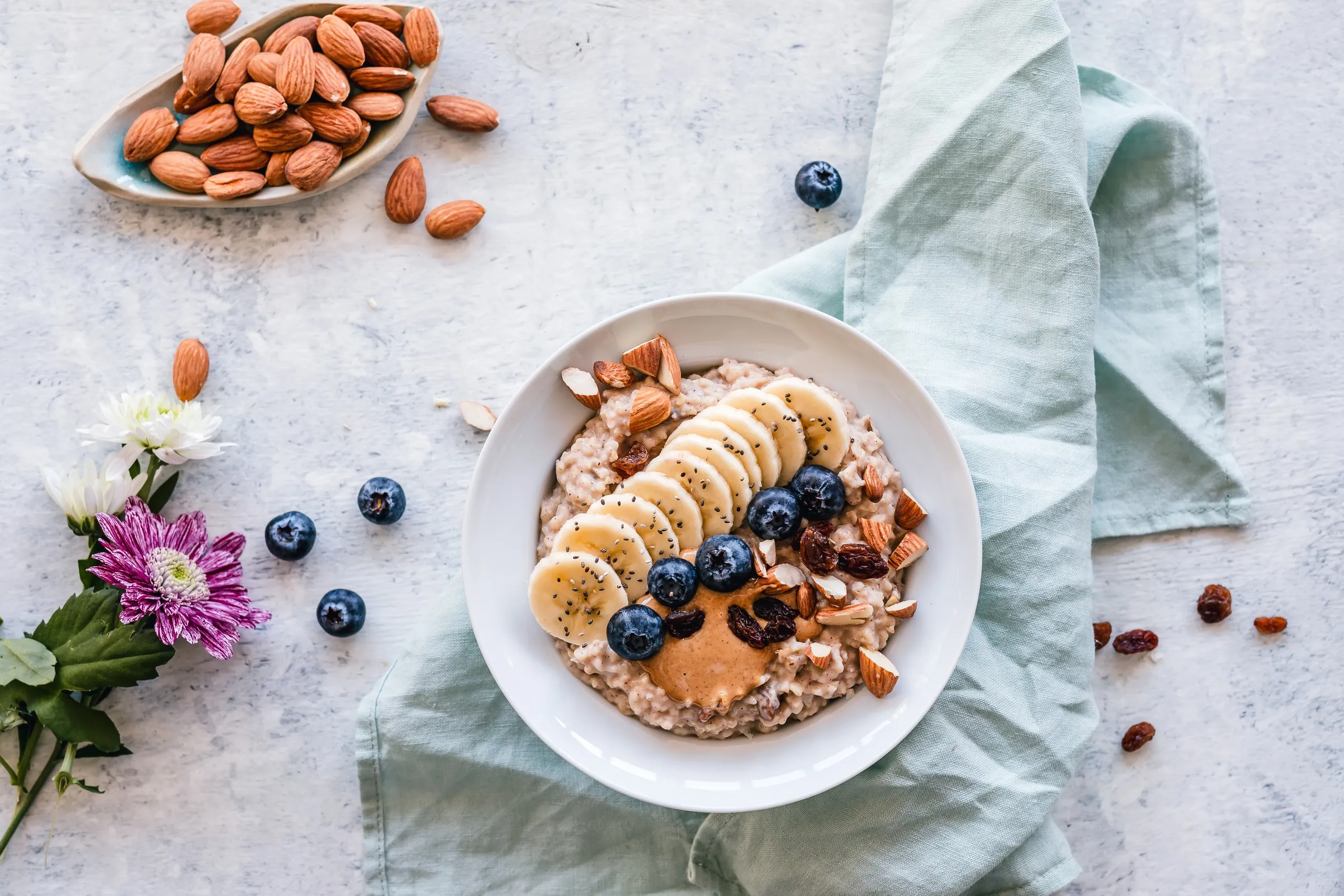
Try plain yoghurt or a suitable alternative with oats and fruit. Add nuts or seeds if you enjoy them and they suit your dietary needs. Frozen fruit can be a convenient option; follow the packet’s preparation instructions.
Choose an alternative for its nutritional content as well as its name. Plant-based products differ, so check the label rather than assuming they all provide the same nutrients. Adjust the combination and amount to what you find satisfying.
Option two: something warm and savoury
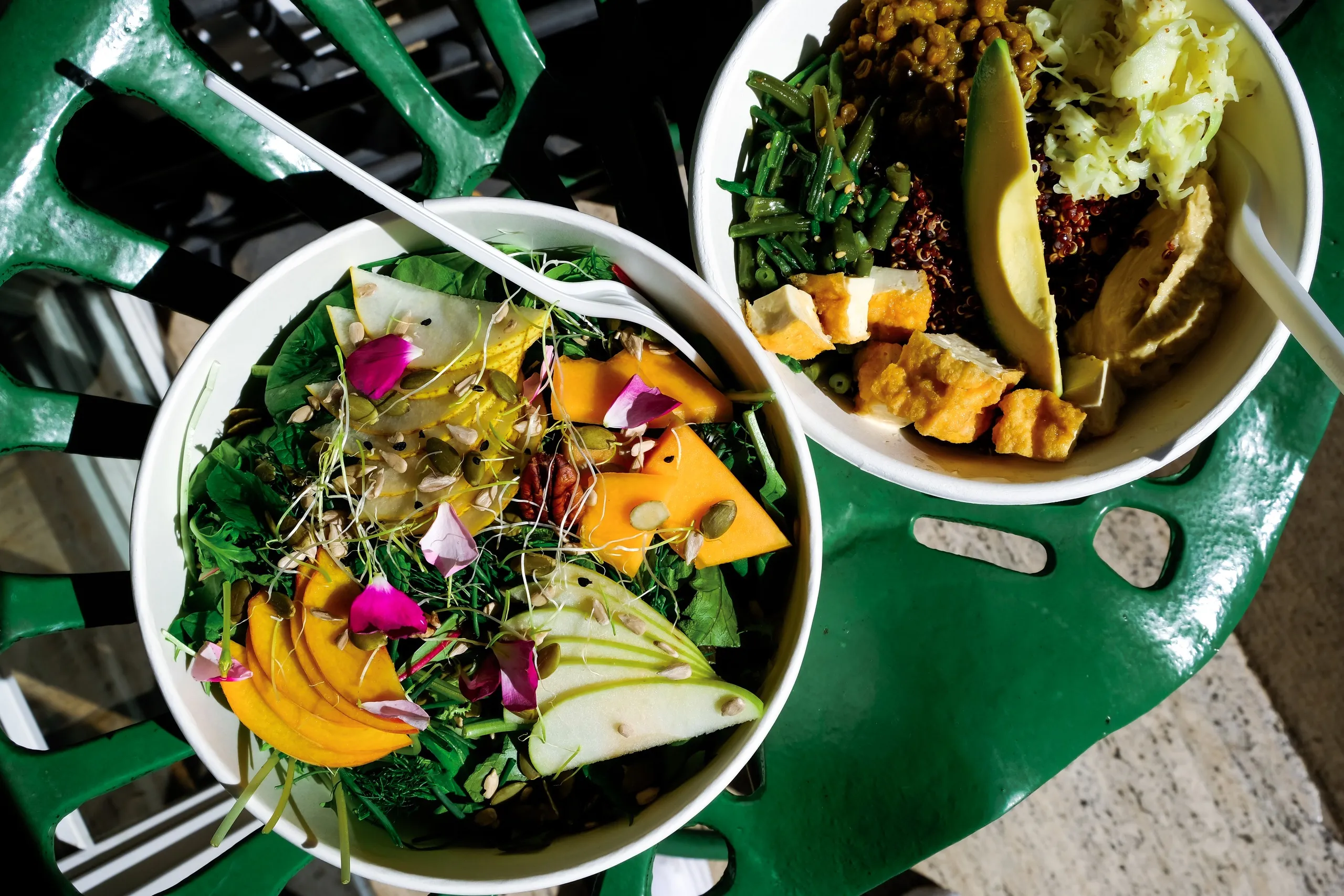
Pair whole grain toast with eggs, beans, or tofu, and add vegetables or fruit alongside. You might prefer leftover vegetables in a scramble, a simple bean topping, or a small serving of last night’s meal.
There is no rule that breakfast foods must be sweet, cold, or different from foods you eat at other times. Start with familiar ingredients that you are happy to keep in the kitchen.
Option three: a breakfast you can take with you
Pack the components of a simple meal rather than searching for a special portable recipe. That could be whole grain bread, a suitable protein food, and fruit. Keep perishable ingredients chilled according to food-safety guidance and product instructions until you eat them.
Choose the container before the busy morning arrives. Finding a lid at the last minute can be the difference between a useful plan and food left on the counter.
Try this week: select one home option and one portable option. Put their ingredients on your shopping list, then notice which version fits your mornings. The aim is a dependable meal, not another routine to perform perfectly.
Source
Health Canada: Make healthy meals with Canada’s food guide plate. Meal examples are general ideas, not personalised nutrition advice.