Dinner at the end of a full day rarely needs another set of rules. It needs a workable starting point. A flexible plate can help you decide what to cook without turning every meal into a calculation or a judgement about your body.
Think in ingredients you already enjoy
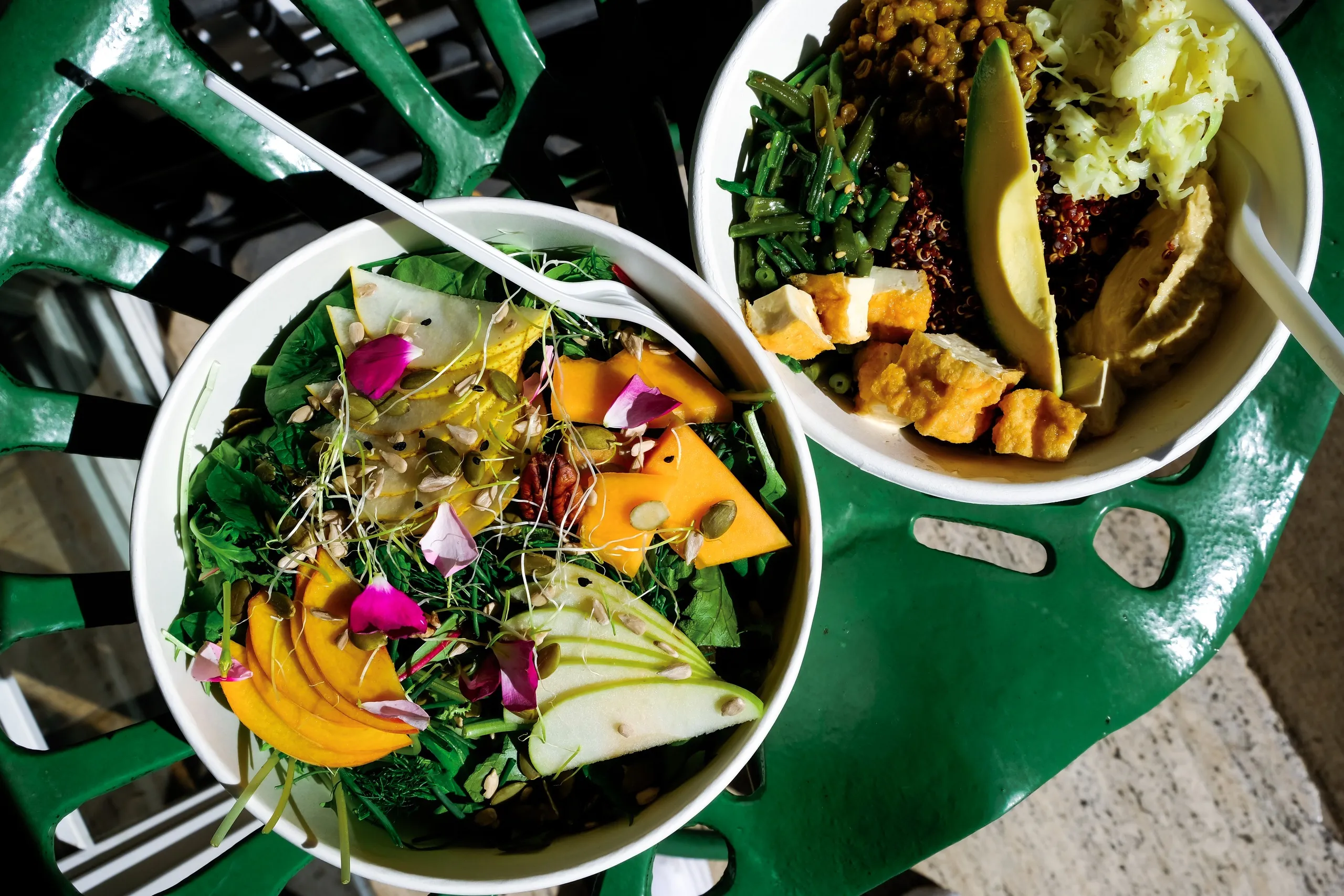
A useful meal-planning prompt is to include vegetables or fruit, a grain or other starchy food, and a protein food. Dairy or a fortified alternative can have a place across the day, according to your preferences and needs. MyPlate groups foods into five broad categories; it is a planning reference, not a demand that every dish look identical.
You might put chickpeas, rice, roasted vegetables, and a yoghurt dressing in a bowl. Or serve fish with potatoes and greens. A tofu stir-fry, lentil soup with bread, or an omelette with vegetables can also be starting points. Adapt ingredients to your culture, budget, allergies, and appetite.
Give convenience a permanent place
Frozen vegetables, canned beans, ready-cooked grains, and leftovers can belong in ordinary meals. Choose two or three combinations you can assemble on a tiring evening. Write them somewhere easy to find, together with the few ingredients they require.
For a shared household, a meal with separate components can be easier than cooking several dinners. People can choose their own portions and additions. There is no requirement for everyone at the table to eat exactly the same plate.
Add before you redesign
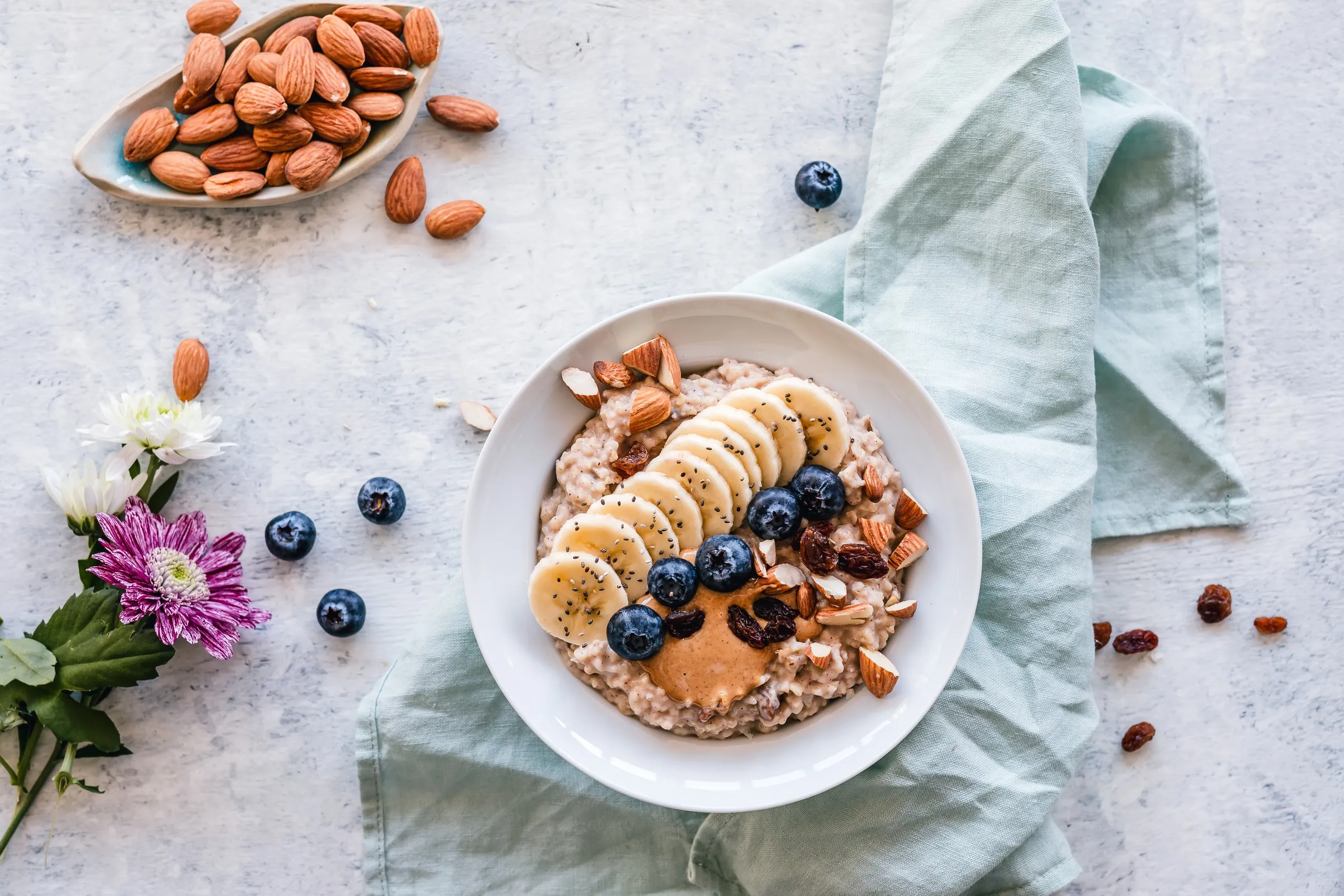
Look at a familiar meal and ask what would make it more satisfying or varied. Could you add beans to soup, vegetables to pasta, or fruit alongside breakfast? This is an invitation to experiment, not a claim that any one ingredient solves fatigue or midlife weight changes.
If a medical condition or treatment affects what you can eat, personalised advice from a registered dietitian is more useful than a general plate guide.
Try this: choose one repeatable dinner and make a short shopping list for it. A meal you enjoy enough to cook again is a valuable part of the routine.