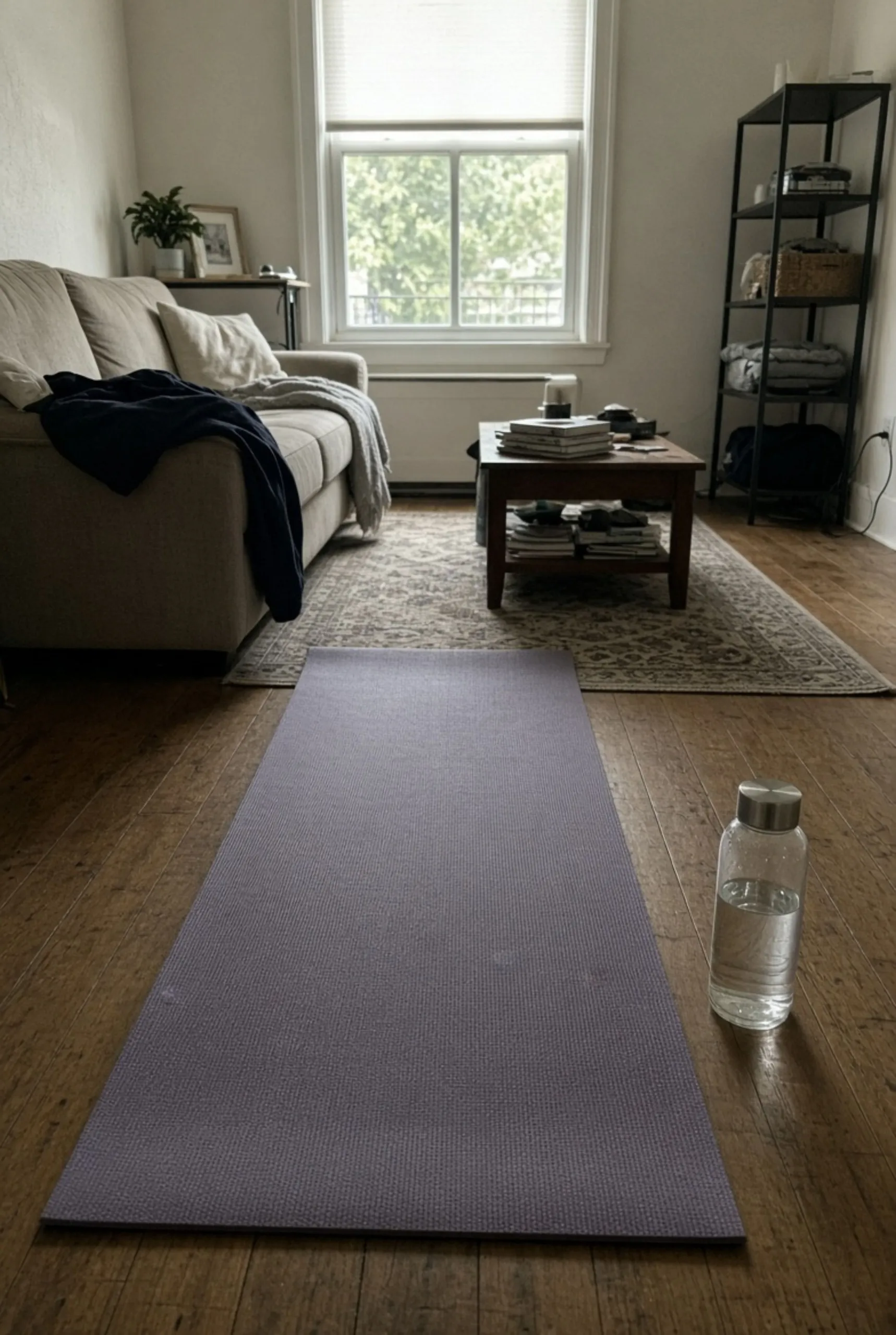
You close the laptop and immediately start answering household messages. Or you finish an errand and use the spare minutes to organise the next one. The activity has changed, but the sense of being responsible for everything has not.
For women balancing several roles in midlife, a pause can need a little practical protection. It does not need to be elaborate, and it does not have to produce a measurable benefit to be worth taking.
Decide what you are pausing
Before choosing an activity, name what you want a short break from: decisions, conversation, screens, physical effort, or being available. That helps you avoid filling the gap with a different version of the same demand.
If you want a break from messages, leave the phone out of reach where that is practical. If you have been alone all morning and want company, a brief conversation may suit you better than silence. There is no universally correct way to spend the time.
Make one modest arrangement
Choose an ordinary transition, such as after lunch or between two appointments. Think about the arrangements that would let you step away. You may need to tell a colleague when you will return or agree on cover with someone who shares a caring responsibility.
If no one can cover a responsibility, do not blame yourself for finding it difficult to pause. A tiny break cannot solve an unmanageable workload or a lack of support. Those problems deserve a wider conversation.
Leave the pause mostly unplanned
Sit somewhere comfortable, look out of a window, enjoy a drink, or spend a few minutes with something you like. You do not need a special app, a breathing target, or a journal entry afterward.
Consider leaving one routine task for later instead of trying to finish everything before you rest. When a break depends on an empty to-do list, it can remain permanently out of reach.
Return with one clear next step
At the end, choose the next practical action rather than reopening every outstanding task at once. You might answer one message, prepare for a meeting, or decide what can wait until tomorrow.
This is a planning suggestion, not a treatment for persistent fatigue, anxiety, or other symptoms. If tiredness is ongoing, unusual, or affecting daily life, seek individual advice instead of assuming that you simply need a better break routine.
A small experiment: protect one short pause on two days this week. Notice whether the timing was workable and whether you actually stepped away from the demand you meant to pause. Adjust the arrangement, rather than judging how well you rested.
For a broader view of your week, read make space for a rest day.